Showing posts with label nature. Show all posts

Monday, 6 July 2020

Can you spot ?

Can you spot this amazing creature featured on the Woodland Trust site as one of ten strange creatures?


Known as a Water Bear or Moss Piglet this eight-legged creature can survive in outer space! They feed on small insects and can grow up to 1.5mm in length. Amazingly they always have the same number of cells in their bodies meaning that their cells just get bigger as they grow rather than dividing to increase in size.

Look for them in damp places, stone walls where there are mosses and lichens.

Happy hunting.


Monday, 29 June 2020

Day 29 Plant some wild seeds

Ensuring part of the garden has a wild feel to it has always been in my planning and with events this year I have now managed to fulfil my aims. Part of the front garden has a hedge and low wall with shallow soil as it is over a drain pipe. Any form of planting has been difficult so it seemed like the ideal place for some wild flowers.

After clearing the overgrown grass and edging the lawn I sowed a number of seeds.


Hopefully it will become a colourful place for wildlife. After just a few weeks progress is being made and it looks like this...


Lots of little seedlings already beginning to appear and hopefully by next year there will be a display like this one I walked past today.


So try and find a small patch of garden or a plant pot and sow some seeds to attract wildlife.


Tuesday, 23 June 2020

Day 23 Make an insect home

This week is National Insect Week so perhaps we should get outside and start looking for some insects.

There is absolutely loads of information at THIS site including videos, discovery pages, free booklet/magazine and so much more so why not take a look?

How about seeing how many ladybirds you can find? This sheet will help.

And finally why not make an insect home? 

These are a few in my garden but THIS * site has some great instructions on how you can make your own.

*Please note this site does carry advertising.

Sunday, 21 June 2020

Day 21 Put nature in a frame

No sunset last night just clouds. Hope to see one tonight.

Today's challenge is to create a picture fame, use nature as the picture and take a photo of your composition.

A few times while out walking I've seen these put up along walks but all you need is some card and to cut out your own design.

Here are a few ideas.


How creative can you be?

Friday, 19 June 2020

Day 19 Read a Wild Book

Who knew ladybirds can stay so still a predator will think they are dead, oh and they are carnivores too! Loads more amazing facts can be found here.

Today's challenge is to read a wild book. I love books with lots of pictures, diagrams and labels so any books like this one are great from my point of view.


But it is stories I like best so here are two of my top recommendations.

Firstly I love books with wildlife and dragons. So this one combines both together.


David Rain is a student looking for accommodation while at university. He meets Mrs Pennykettle and her daughter Lucy at 42 Wayward Crescent. Around the house are a number of mysterious clay dragons made by Mrs Pennykettle and in the garden Conker the squirrel and for David Gadzooks.

'What?" gasped Lucy, too excited to be shushed.
David let his imagination flow. To his amazement, he watched Gadzooks take a pencil from his jaws and hurriedly scribble down a name on his pad.
Snigger
David's eyebrows twitched in surprise. Liz prodded a sausage or two with a fork. Lucy bit a fingernail. Bonnington (the cat) yawned. The whole Pennykettle household waited for an answer.
"Snigger," David whispered.
From somewhere came a gentle hrring noise.
David's dark blue eyes blinked open. "Yes," he said, "his name is Snigger."

To find out just what is going on you'll have to read the book.

Oh some of my dragons just wanted to say hi!

Secondly I love books that have a map at the start. And this one does just that.


What would it be like to live in a world where animals no longer exist or if they do there are very few and when you meet them they talk to you?
Kester lives in such a world and goes on a quest but how can a young boy save the last wild animals?

The wardens haul me back to my room and lock the door behind them as if nothing happened.

Seven days. Stuck in here. Because I thought an insect was talking to me.

Sat up against the wall, clutching my pillow to my chest, I try to focus on the world beyond the window. A solid black sky, but no rain.

I try to think of happy things - like being back at home. I'm helping Mum unpack the shopping. I've said something to make her laugh. Then Dad comes in holding his favourite mug, full of tea, and joins in. And we're laughing and cooking dinner and we're happy. 
Everything is normal again.

If you like these stories The Last Wild is part of a trilogy and The Fire Within is one of seven books in the series.

Whatever you read Have fun 😀📚📚


Thursday, 18 June 2020

Day 17 & 18 Inspired by Forest School

Yesterday we were back in Forest School and as the topic for the week revolved around the Rainforest we decided to use this for our inspiration.

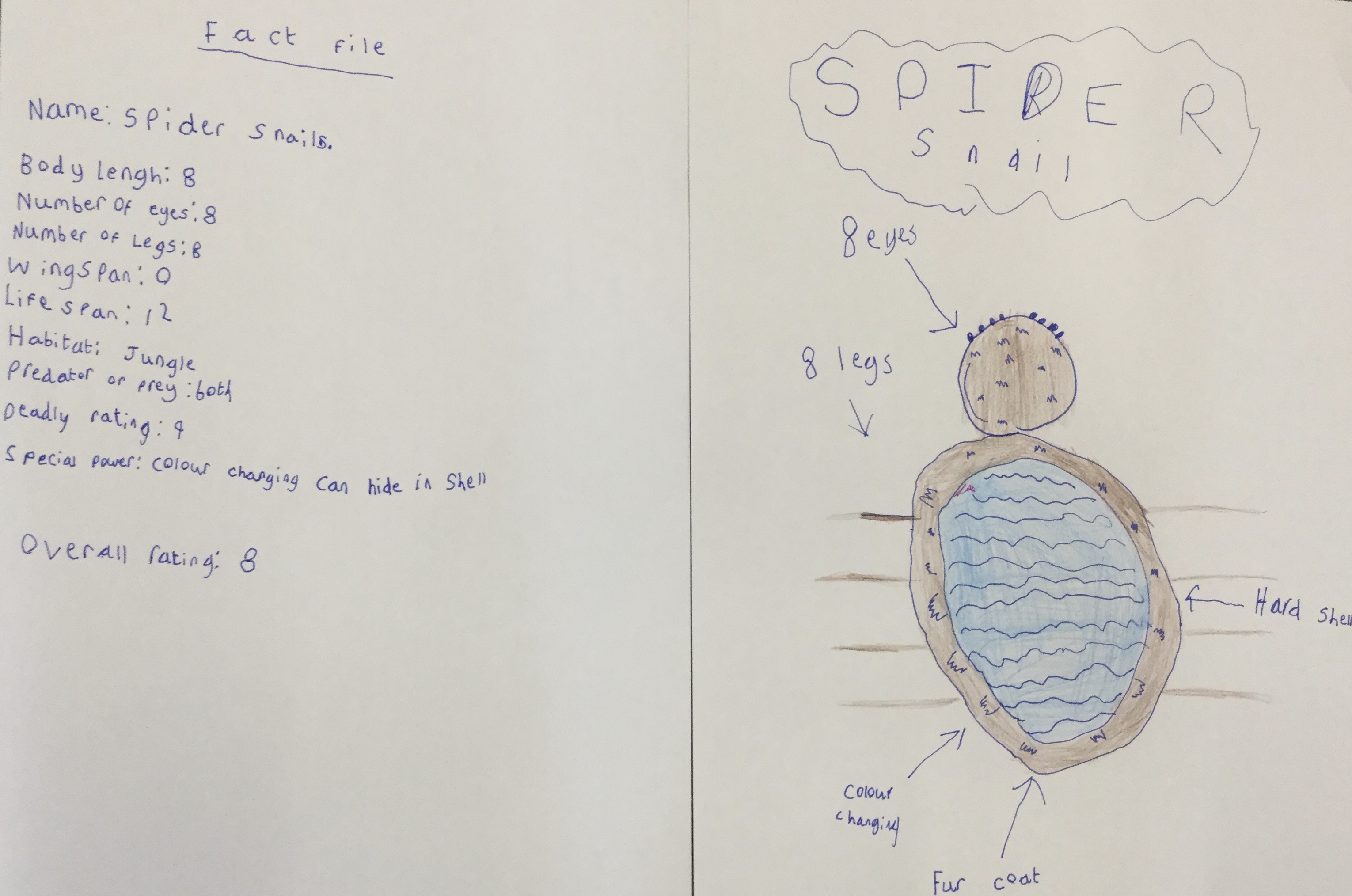
We all collected together bits and pieces to make an imaginary rainforest creature. There was lots of discussion about what they could do from shape shifting, which eventually became colour changing, to poisonous spider eyes.

Here are each of our creatures.


After this we returned indoors. Some of the children wanted to draw their creatures so we did this and agreed a layout of facts Top Trumps style to write for each creature. Here is our work.


Later in the afternoon we were sharing some poetry from The Poetry Store compiled by Paul Cookson.
We found a poem called Ten One-line Poems about Sport by Ian McMillan. We decided to use this format to create our own version of the poem using our rainforest creatures. Each of us wrote a line for our creature and here is the compiled result.


So on to today and another random act of wildness. It looks like it's going to rain all day so you could look back at the Develop a Wild Memory post which has an ideal activity for a wet day or why not Google some wild facts and discover some secrets about your favourite animal or something that is just really weirdly wild.

Have fun😀🌧🌧

Tuesday, 16 June 2020

Day 16 Make a Rainforest Creature

Today for your random act of wildness put away all those pencils, paper and glue and get outside to make a rainforest creature. 
This is the schools focus for the week. So why not have a go outside?

Collect together materials from your garden or on a walk and make your own creature. Why not photo it and make a poem or fact file to go with it.your creature could be real or imaginary.

Here are some creatures made earlier in the year in Forest School.


Have fun 😀

Down by the pond: Our little amphibious friend is back cooling down on a warm evening. First time for a week or so. Thankfully the local cats haven't found him yet.


Saturday, 13 June 2020

Day 13 &14 Keep Watching

This weekend the challenge is to keep watching and if you can record some of the things you see.

Today has been another walking day for me exploring new local routes with the help of an OS map. Over the past few weeks I've found lots of new route through familiar places. Here are some photos from today.


But if you can't get out and about there is always a space close to you, a local walk or a garden or yard space. I've set up a new squirrel run and within minutes the squirrel was along and had worked it out.
Here's the video.

Sunday, 7 June 2020

Day 7 Begin a nature collection

So how did yesterday go? Did you manage to identify a wildflower?


Here are some buttercups, always a favourite sight to see a field full of yellow while out walking.

Today's random act of wildness challenge is to begin a wild treasure collection. Some people like to collect and press wildflowers, others bones, feathers, fossils, fir cones but what will you find to collect?

For me it has to be going to the beach scouring the shore for an interesting shell or a hag stone. Here are a few objects I've found. The black one is an egg case of a fish called a skate.


Here's today's action down by the pond.


Monday, 1 June 2020

30 Days Wild

Here we go the first day of hopefully many random acts of wildness lay ahead and the weather couldn't be better for getting outdoors.

If you haven't signed up with the Wildlife Trust initiative yet you can do so HERE and get a free downloadable pack of ideas. Read more about it HERE.

Today was the first chance to see the Forest School site since the end of March and how it's changed!
The whole of spring has passed and everything is growing wildly. Some of the areas that suffered from the winter rain have begun to recover but many areas we regularly use have become overgrown.


The fruit bushes are beginning to produce fruit but the pond area has dried out and become a little lost in the grass.

Many areas are looking magnificent, the beech tree with its huge green canopy and many flowers around the site and in the meadow area.

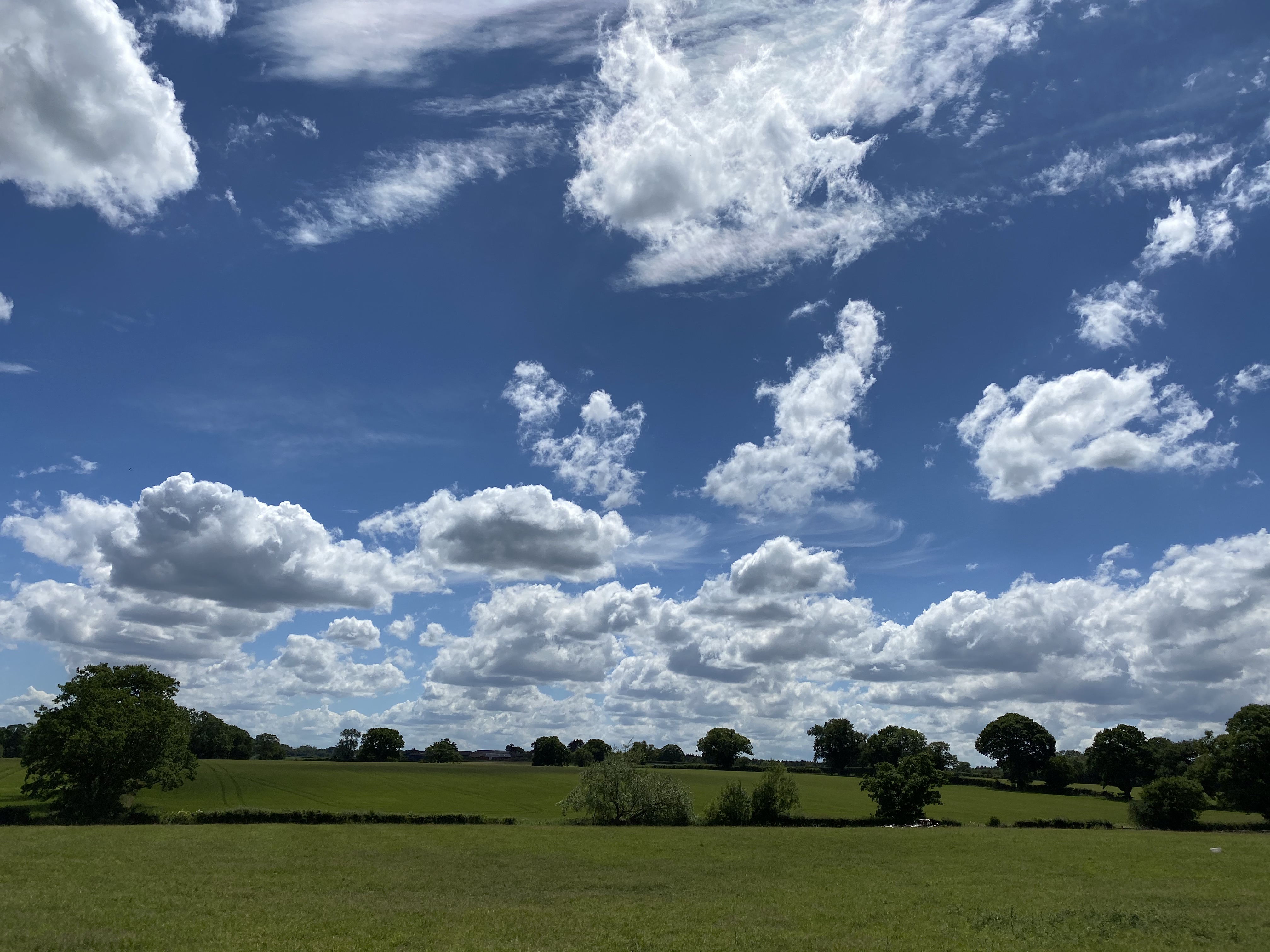
A random act of wildness challenge for today is to look up at the clouds. What shapes can you see? Why not try sketching them and turn them into the objects of your imagination. Or take a photo and use some drawing software to make your picture.

We would love to see your pictures and to hear about what you are getting up to. You can add a comment to the blog below or Tweet with @LyndonGreenJnr #30DaysWild

Right off to find a cloud ......    

©Walking in Paradise Photography


Thursday, 14 May 2020

Trees


Trees are the amazing giants that surround us.

They existed on this plant before the times of the dinosaurs and have merged into human folklore and mysticism over time.


Science now tells us that trees are sociable, live in families and have ways to communicate and protect each other.

They can be ancient living for over a thousand years. They change with the seasons, provide food, are homes for many creatures and are one of our most valuable industrial resources.


They are critical to the planet, they take carbon dioxide and give out oxygen keeping the planet healthy.


The Forest School and wider grounds have many trees connecting us with past uses of the site. The oldest trees are about 200 years old and remind us of the time they stood in the grounds of Gilbertstone House which stretched all the way down to where Birmingham International Airport currently can be found. Others tell of when the school was opened or the school eco days and more recently planting of saplings from the Woodland Trust.


So why not begin to find out about the history of the trees in your garden or local street or park.
To find out how old a tree is you can count the rings but this has the problem of having to cut the tree down.


There is an easier way fortunately. All you need is a long piece of string and a tape measure or if you have one a flexible tape measure.

Measure around the tree trunk about 1.4m above the ground. Next decide where your tree is. If in a wooded area divide your number by 1.25. If it is in open space divide by 2.5. the answer gives you an approximate age for the tree.

So if you find a tree in open space and the measurement round the trunk is 350 cm 350÷2.5=140 years old.

See here for help sheet

Why not make a timeline for your tree can you find key historical events that have happened during the life of your tree. Was it in your garden when your house was built? Did it see the first person walk on the moon? Was it alive in the time of Queen Victoria?

If you want help to identify what type of tree you are looking at see this sheet or this poster.

Please note this activity is for deciduous trees - those that lose their leaves in winter.


Acknowledgements: The Hidden Life of Trees by Peter Wohlleben, Tree from seed to mighty forest David Burnie, Photos from Walking in Paradise Photography.

Wednesday, 6 May 2020

WildTime

Spending time outdoors is fun. We all appreciate a little bit of sunshine, a warm breeze, hearing birdsong or a refreshing summer rain. But learning a little about nature also helps to connect us to our surroundings and to feel a part of our wider world.

Research is also revealing to us the health benefits of being out in nature through things like a simple walk, forest bathing or quiet moments of mindfulness.

Whatever your motivation for spending time outdoors there are plenty of places to find encouragement and ideas.

Here is the first organisation and links to their materials to help you along your way.


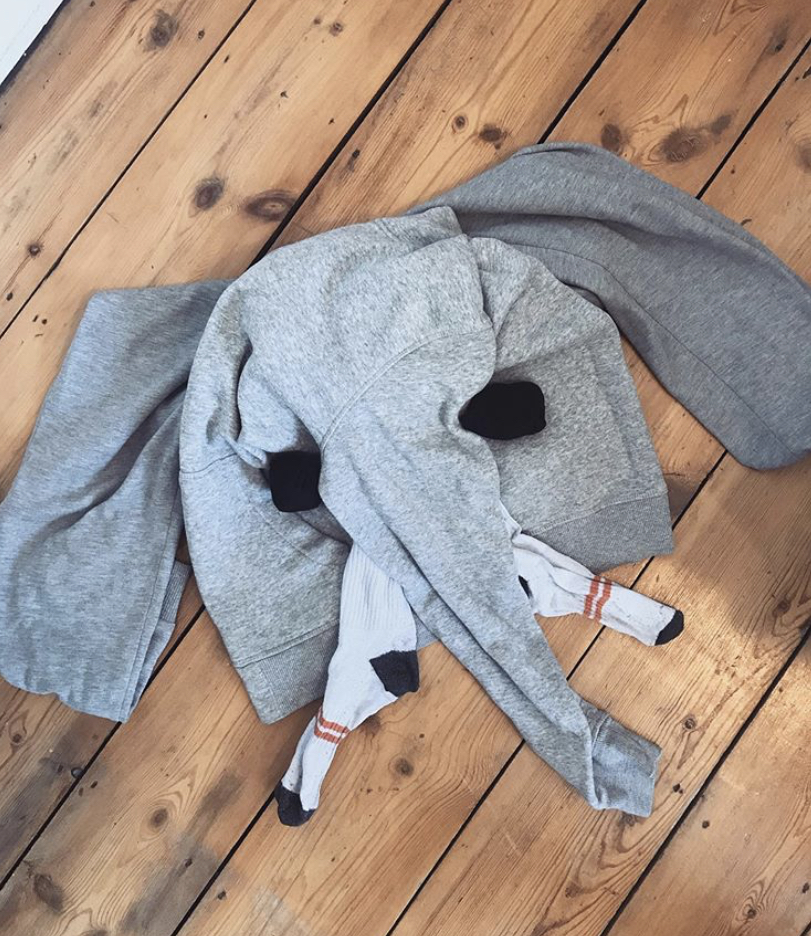
The Wild Network website has many ideas including a weekly set of challenges which can be done either in or outdoors. I particularly like their animal clothes challenge. What animal can you make your clothes into? Here's an idea:-


Click here to see some more.
They also have walking bingo cards, a different one each week and a free film which introduces how the wild network was started.

The challenge I've taken is to build an obstacle course for a wild animal.
Over time quite a few creatures have visited our garden, i'll share them in future posts, but a the moment we have a couple of squirrels that come each morning.
Now these squirrels aren't very bright. To stop them taking the bird food I put up a nut feeder just for them with a lid. 
What did they do? They ate it! Don't believe me? Here's the evidence or what's left of it.


So without any high hopes I decided to build a squirrel run. The plan was for them to run along the top of the fence, along a rope to the first tray of nuts. Then along the rope and onto the arch to a basket with more nuts suspended from the arch.

Needless to say it didn't work out like this so the run was adapted and here is a short video to show you how it all went.


An adaptation of the run is under construction. The magpie ate all the nuts in the tray and then the squirrel discovered running up the stick. 

If you feel inspired it would be great to hear how you got on. Have fun😃

Tuesday, 5 May 2020

Mud Pies

Here's a new challenge for the week.

When Year 3 take part in their Scrumdiddlyumptious topic Forest School has a massive Mud Pie Bake Off.

A bake off always makes me think of chocolate cake, my favourite!
This poem must be the one most often requested over the years.


This year we saw some amazing creations which you can see in the pictures below.


Remember Gnorman and now his friends are always hiding in Forest School. Look out for a troll, a fairy and a doorway to the Fairy World. (Click on the picture to make it large)

So can you design and make the most spectacular showstopper of a mud pie ever? No time limits now, be creative. If you are very lucky and have a sand pit in your garden why not make one out of sand. whatever you choose all you need is a bucket, flower pots or just your hands for moulding, things you can find in the garden (don't go and pick all the flowers that have just started to grow - you might make someone annoyed!) and of course a good dose of imagination.
Have fun😀

Friday, 27 May 2016

30 Days Wild

Children and nature go together—or should. Recent studies document the importance of introducing children to the natural world, beginning in the early years. Their social, emotional, and physical health depends on this exposure to develop. Humans are hardwired to need nature—because we are part of it. In some communities, children lack access to nature and the freedom to explore local flora and fauna. How can children care about nature if they haven’t experienced it firsthand? Adults must do what they can to ensure that children have those opportunities. 1


This morning in assembly we introduced The Wildlife Trust's 30 Days Wild.
Every session in Forest School will include a fun activity linked to the Random Acts of Wildness.


We are also encouraging children to contribute their own activities on a diary page available from the office or via the eSchools learning platform.


Children can get involved in any way they want from their back garden, local park but some may want to get more involved and can sign up here (with parental permission)

Every child will also receive a link to a Survey Monkey questionnaire via eSchools to find out how wild we are as a school.

But most of all we just want to to enjoy being outdoors.

Follow us on Twitter to find out what we are getting up to and more ideas of what you can do.

1 http://www.naeyc.org/tyc/article/connecting-young-children-with-nature

Sunflowers

The sunflower is a large inflorescence, this means the flower head is actually made of many tiny flowers called florets. Central florets look like the centre of a normal flower while the outer florets look like yellow petals and together they make up a "false flower". This natural design helps insects and birds to easily see the sunflower and after pollination every little flower or floret produces a seed.


This year we have challenged all our Forest Schoolers to grow a giant sunflower. That means by the end of the year we should have somewhere in the region of 400 growing on site. Hopefully this will lead to a mini sunflower meadow on site but we will have to see how thing go.

The first step of course is planting the seed. We have chosen the variety Russian Giant and hope to see them achieve somewhere near to their 3 metres in height.


By early April every child had planted their seed and we were beginning to find out how many had not germinated. As children came out to check on them another seed was quickly planted.


Then came the warm weather. After the cool wet lead up to Easter we were glad of our SolarDome for getting things started but the heat when the Spring sunshine gets going is just too much for the young plants and the quickly had to be moved outside.


This led to another problem only seen minimally inside, the full scale massacre of a slug attack.


Nearly a whole group lost their sunflowers and others well on their way to 50cm were scythed down.

The children's solution was to raise the pallets they were standing on off the ground but many more will need to be planted to replace those lost.


More news to follow .......